For Muslims around the world, learning to read the Holy Quran is a spiritual journey that begins with understanding the Arabic alphabet and mastering the fundamentals of Quran recitation. Whether you are teaching a child, a new learner, or returning to Quran studies after many years, learning Arabic letters and Noorani Qaida provides the essential foundation for accurate Quran reading.
In today’s digital world, students can easily access structured learning programs that help them develop strong reading skills from the comfort of their homes. By following a step-by-step approach, learners can gradually build confidence and progress toward fluent Quran recitation with proper pronunciation and Tajweed.
Why Learning Arabic Letters Is Important
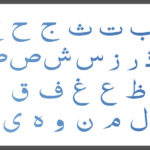
Arabic is the language of the Quran, and understanding its letters is the first step toward reading the Quran correctly. Unlike many other languages, Arabic letters have unique shapes and sounds that change depending on their position within a word.
Students begin by learning:
- Recognition of all Arabic letters
- Correct pronunciation of each letter
- Letter forms in different positions
- Basic Arabic reading exercises
- Joining letters to form words
A strong foundation in Arabic letters helps learners avoid pronunciation mistakes and prepares them for advanced Quran reading skills.
What Is Noorani Qaida?
Noorani Qaida is one of the most widely used beginner-level books for teaching Quran reading. It introduces students to Arabic letters, pronunciation rules, and the fundamentals of Tajweed in a simple and organized manner.
The Noorani Qaida method is designed to help learners:
- Identify Arabic letters correctly
- Learn vowel sounds (Harakat)
- Read words and short phrases
- Understand letter connections
- Develop Quran reading fluency
- Improve pronunciation and recitation
Because of its structured format, Noorani Qaida remains one of the most effective tools for children and adults who are starting their Quran learning journey.
Start Quran Reading with Correct Pronunciation
One of the primary goals of learning Noorani Qaida is to establish correct pronunciation from the beginning. Proper pronunciation is essential because even small mistakes can change the meaning of Arabic words.
Qualified Quran teachers focus on:
- Correct articulation points (Makharij)
- Proper pronunciation of Arabic letters
- Recognition of similar-sounding letters
- Reading practice with teacher guidance
- Listening and repetition exercises
When students learn correct pronunciation early, they develop strong recitation habits that stay with them throughout their Quran learning journey.
Learn Basic Tajweed Rules
After mastering Arabic letters and basic reading skills, students begin learning Tajweed. Tajweed refers to the set of rules that govern the proper recitation of the Quran.
Basic Tajweed lessons typically include:
- Noon Sakinah rules
- Meem Sakinah rules
- Madd (elongation) rules
- Ghunnah (nasal sounds)
- Qalqalah letters
- Stopping and pausing rules
Learning Tajweed helps students recite the Quran beautifully while preserving the correct pronunciation and meaning of the verses.
Memorize Short Surahs with Confidence
As students improve their reading abilities, they can begin memorizing short Surahs from the last part of the Quran. Memorization becomes much easier when learners can read Arabic fluently and understand Tajweed rules.
Popular short Surahs for beginners include:
- Surah Al-Fatihah
- Surah Al-Ikhlas
- Surah Al-Falaq
- Surah An-Nas
- Surah Al-Kawthar
- Surah Al-Asr
Regular practice, repetition, and teacher guidance help students memorize these Surahs accurately and confidently.
Benefits of Learning Through a Structured Program
A structured learning program provides students with a clear path toward Quran fluency. Rather than jumping directly into Quran reading, learners progress through carefully designed stages that build confidence and understanding.
Benefits include:
Improved Pronunciation
Students learn the correct sounds of Arabic letters from the beginning, reducing common recitation errors.
Strong Reading Foundation
Mastering Noorani Qaida helps learners read Quranic words smoothly and accurately.
Better Tajweed Understanding
Students gradually learn Tajweed rules and apply them during Quran recitation.
Increased Confidence
With consistent practice and guidance from qualified Quran instructors, students develop strong Quran reading skills and greater confidence. Many families prefer a female Quran teachers for daughters and sisters, as she can provide personalized instruction, help learners master Tajweed, improve pronunciation, and support their journey toward independent Quran recitation.
Long-Term Quran Success
A strong foundation makes advanced Quran studies easier and more effective.
Progress to Advanced Tajweed
Once students complete Noorani Qaida and basic Quran reading, they can continue their studies by learning advanced Tajweed rules. Advanced Tajweed focuses on refining recitation and improving the beauty and accuracy of Quran reading.
Advanced lessons may cover:
- Detailed Makharij studies
- Advanced Madd rules
- Waqf and Ibtida (stopping and starting)
- Practical recitation exercises
- Error correction techniques
Students who continue their Tajweed education often achieve a higher level of Quran recitation and confidence.
Begin Your Hifz Journey
For learners who wish to memorize the Quran, mastering Noorani Qaida and Tajweed serves as an essential prerequisite. Hifz programs typically begin after students demonstrate strong reading and pronunciation skills.
Benefits of learning Hifz include:
- Strong connection with the Quran
- Improved memory and concentration
- Greater understanding of Quranic recitation
- Lifelong spiritual rewards
- Enhanced Islamic knowledge
A solid foundation in Arabic reading and Tajweed significantly improves the memorization process.
Learning for Children and Adults
One of the greatest advantages of Noorani Qaida is that it is suitable for learners of all ages. Children benefit from its simple structure, while adults appreciate its clear and systematic approach.
Whether someone is beginning online Quran classes in USA for the first time or returning after many years, Noorani Qaida provides an effective path toward Quran literacy.
Conclusion
Learning Arabic letters and Noorani Qaida is the gateway to reading the Quran with confidence and accuracy. Students begin by recognizing Arabic letters, learning correct pronunciation, and mastering basic reading skills. They then progress to Tajweed, memorize short Surahs, and eventually advance to higher levels of Quran recitation or Hifz.
With consistent practice, qualified instruction, and a structured learning approach, anyone can develop the skills needed to read and recite the Quran beautifully. Starting with Noorani Qaida ensures a strong foundation that supports lifelong Quran learning and spiritual growth.
FAQs
How long does it take to complete Noorani Qaida?
Most students complete Noorani Qaida within a few months, depending on their age, learning pace, and practice routine.
Is Noorani Qaida suitable for adults?
Yes. Noorani Qaida is designed for both children and adults who want to learn Quran reading from the beginning.
Why is Tajweed important?
Tajweed ensures that Quranic words are pronounced correctly, preserving their meaning and beauty during recitation.
Can beginners memorize Surahs while learning Noorani Qaida?
Yes. Many students begin memorizing short Surahs while learning basic reading and pronunciation skills.
What comes after Noorani Qaida?
Students usually move on to Learn Quran online with Tajweed, advanced Tajweed studies, or Quran memorization (Hifz) programs.